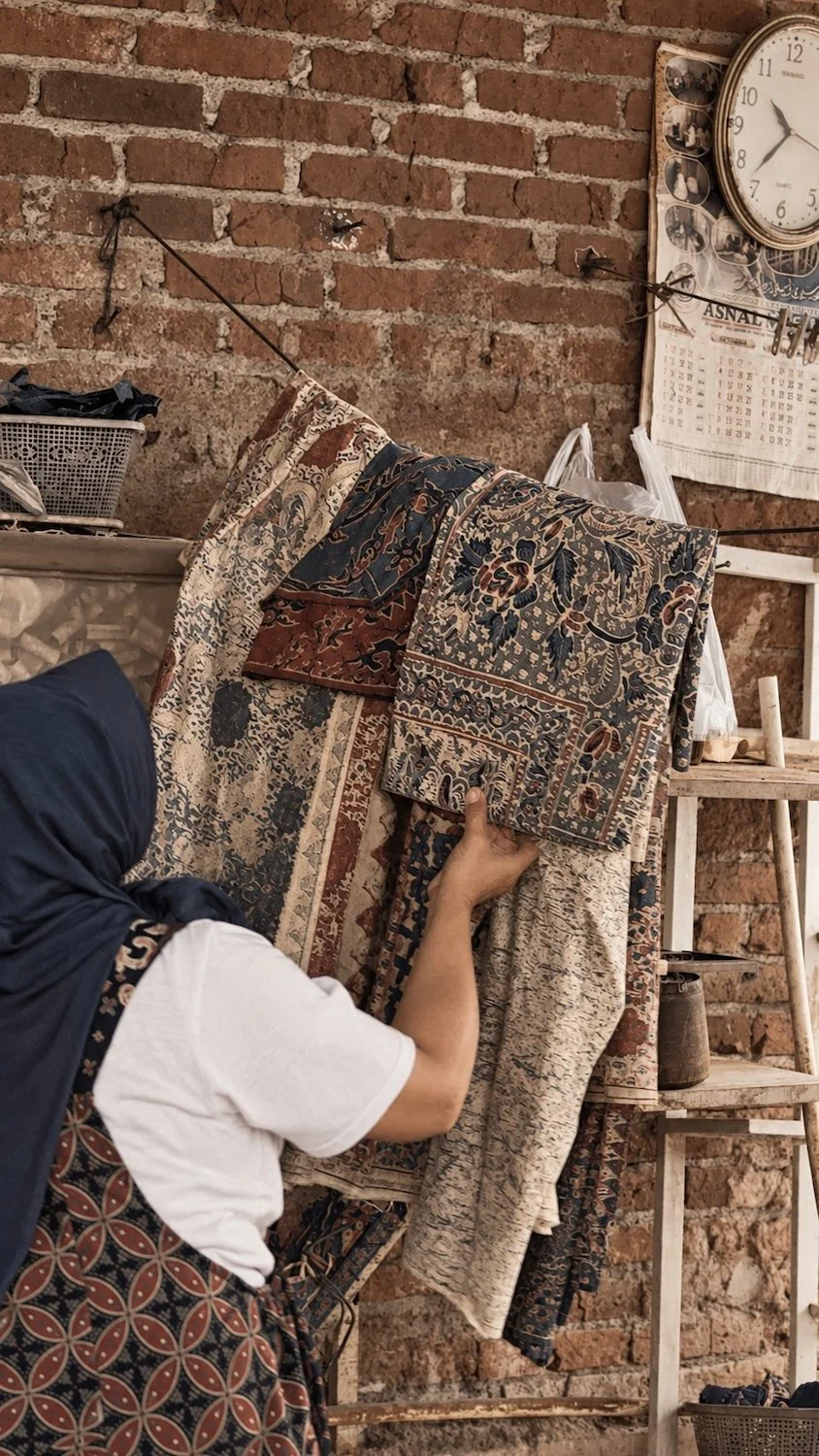
The Question a Listing Can't Answer
A fast-fashion giant's rocky stock market debut raises a question about who actually makes a garment. At HYPATIA, that question has always had a direct answer.
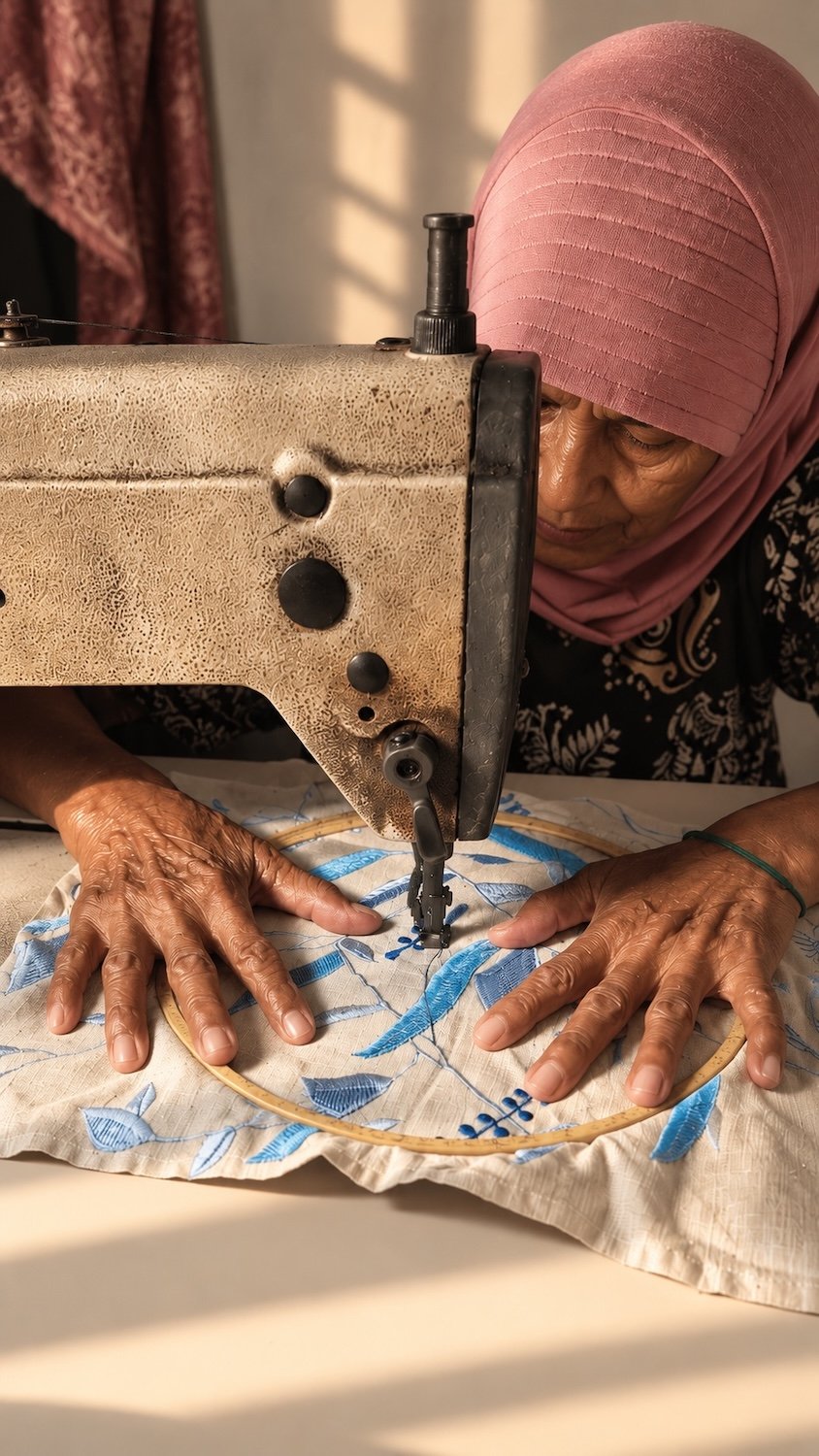
The Stitch That Takes Longest
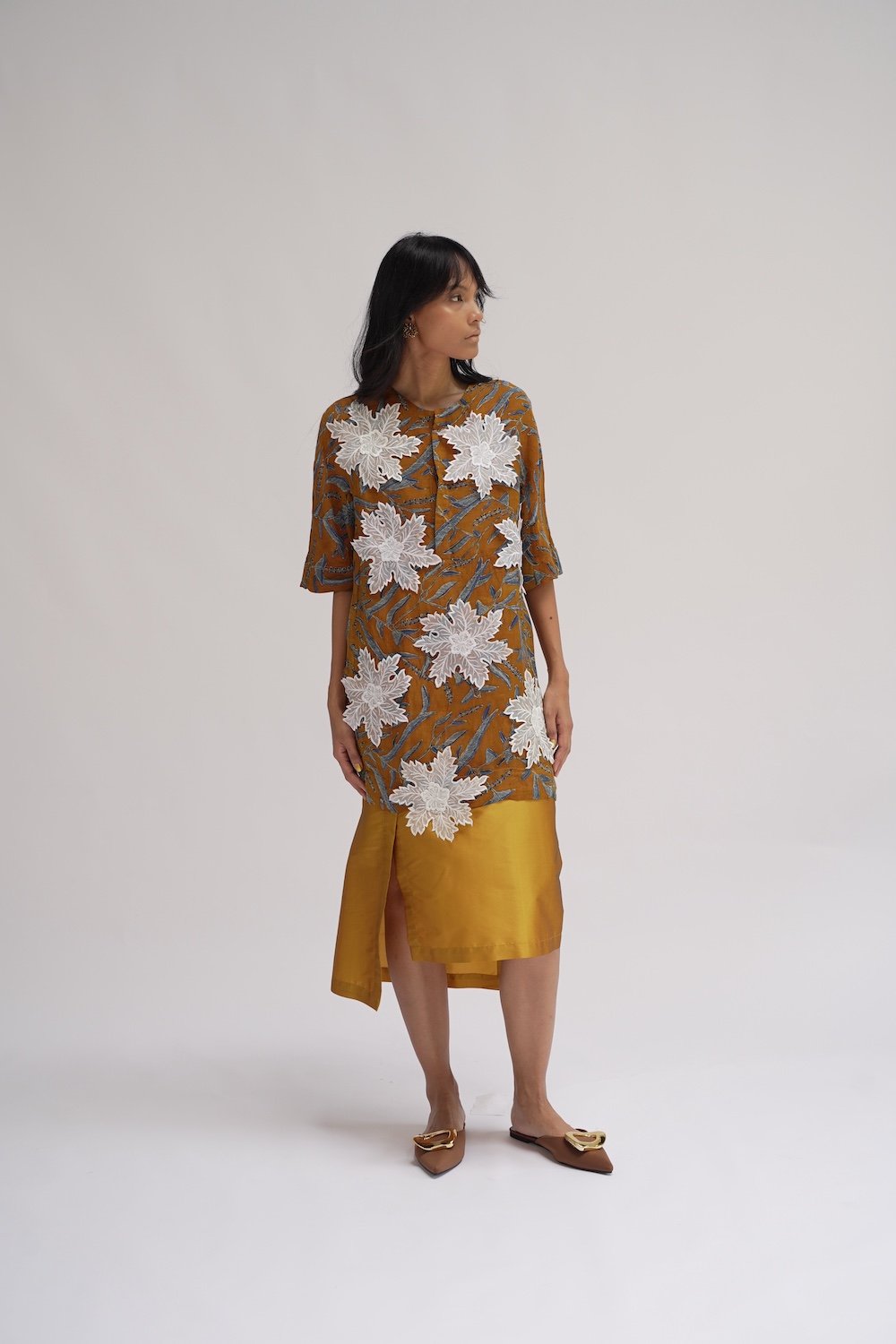
Sulam Tangan and Sulam Mesin: two ways HYPATIA's embroidery gets made, both guided entirely by a trained hand rather than a program.
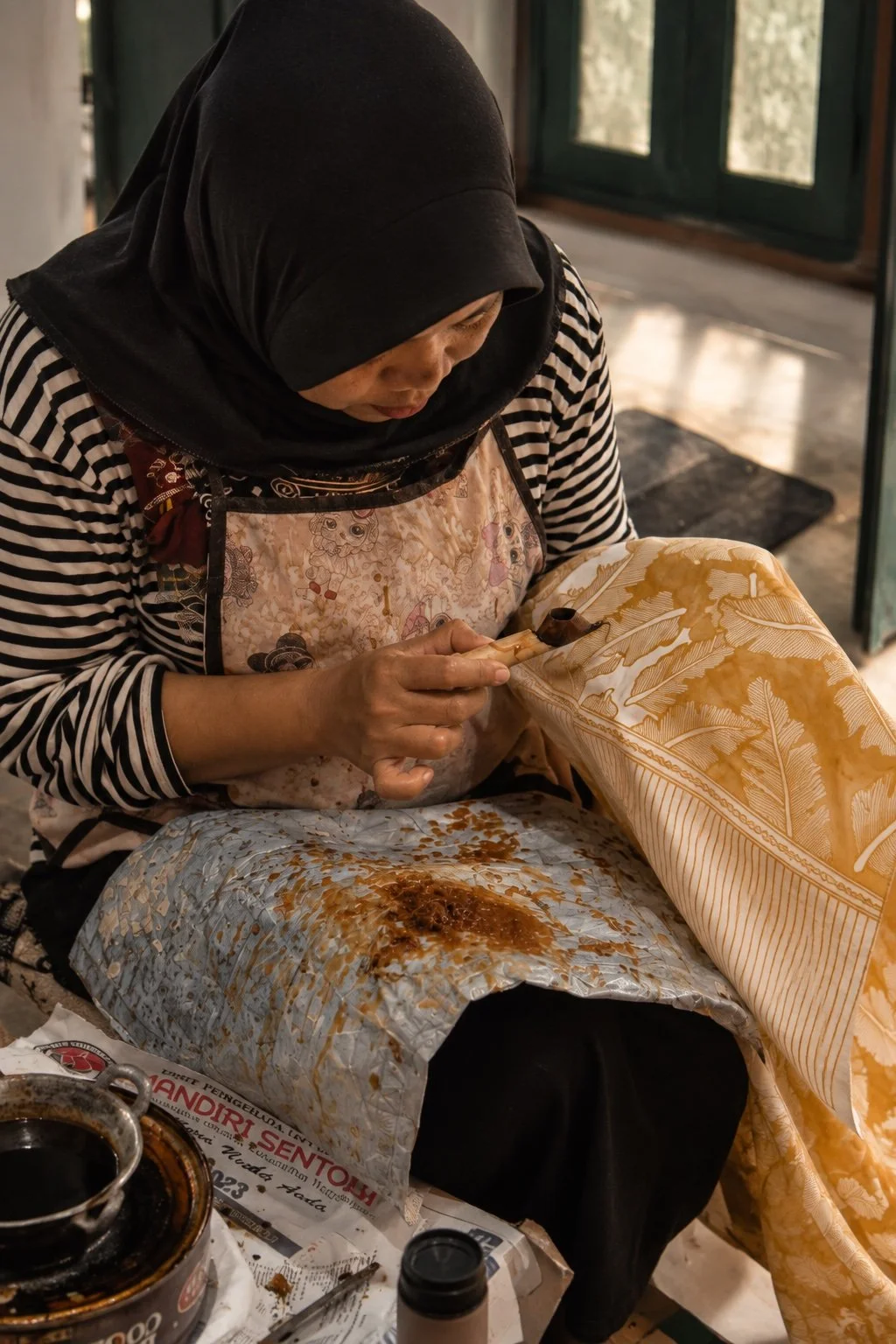
One Cloth, Many Colours
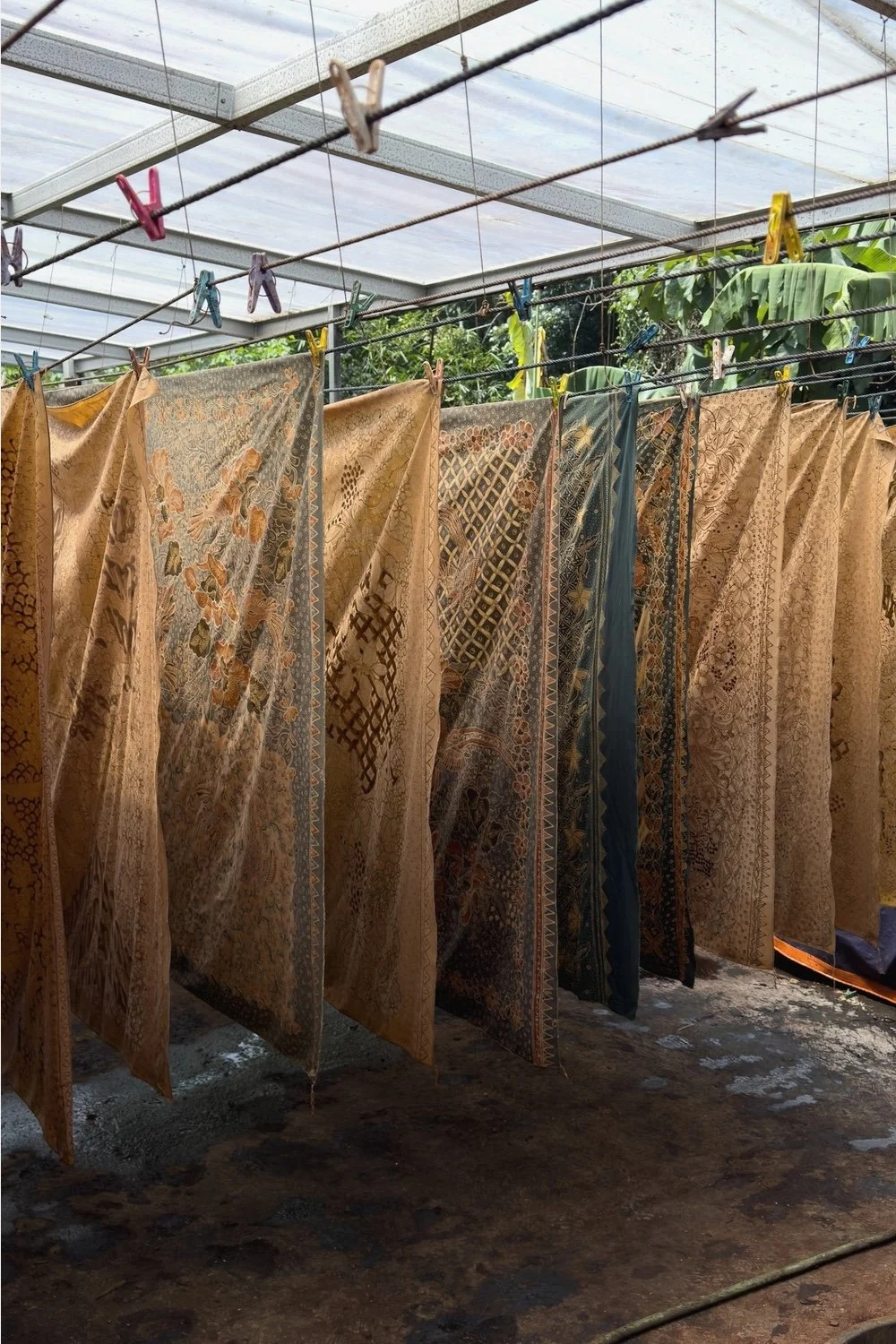
A single length of HYPATIA Batik Tulis cloth can carry two colours, or several more - each one added through its own round of dipping, drying, and wax.
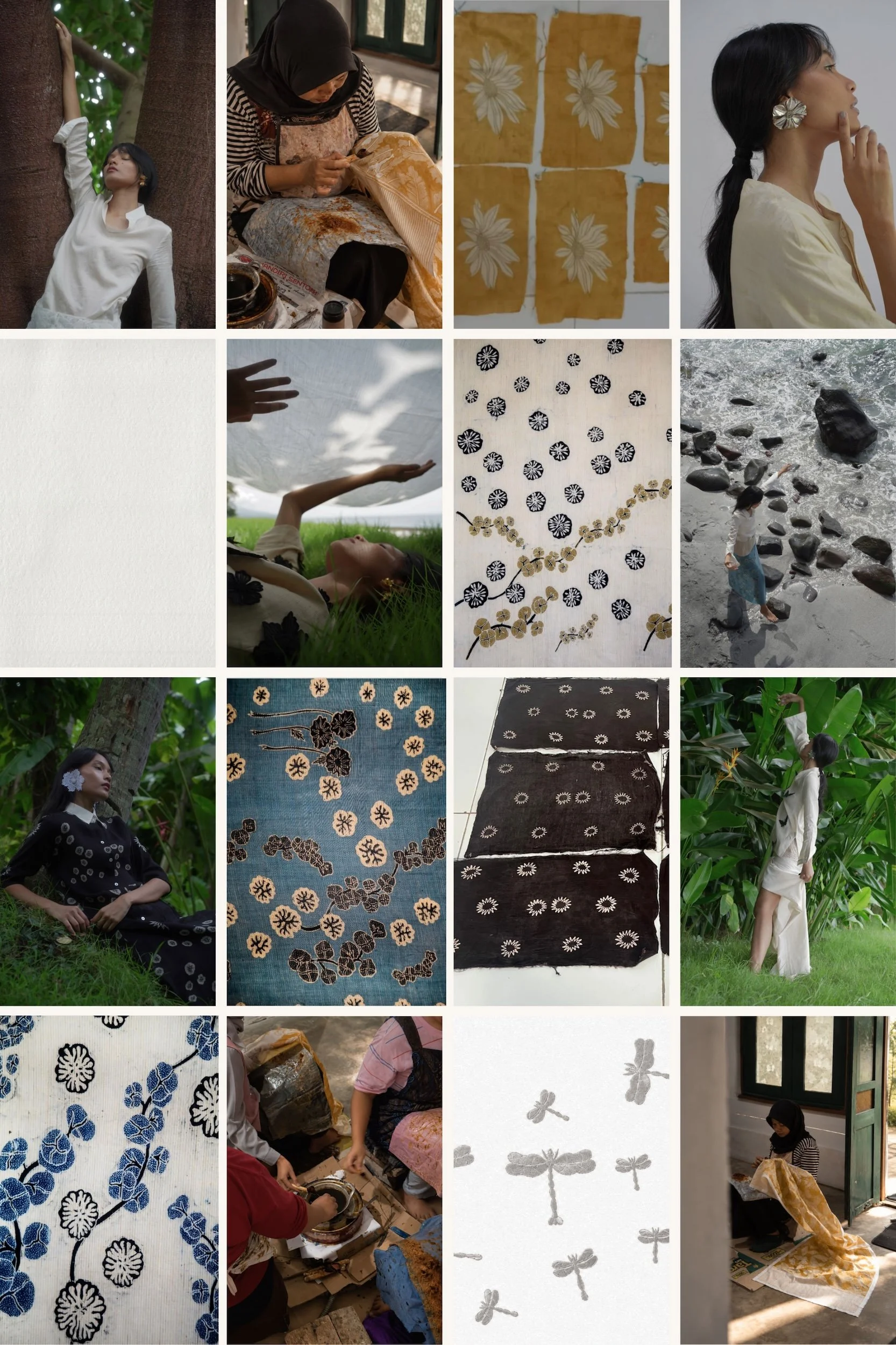
Before the Runway Lights Come Up
New York Fashion Week gives sustainability real space this season. HYPATIA's version of that has been running in the villages for years, long before any runway caught up.
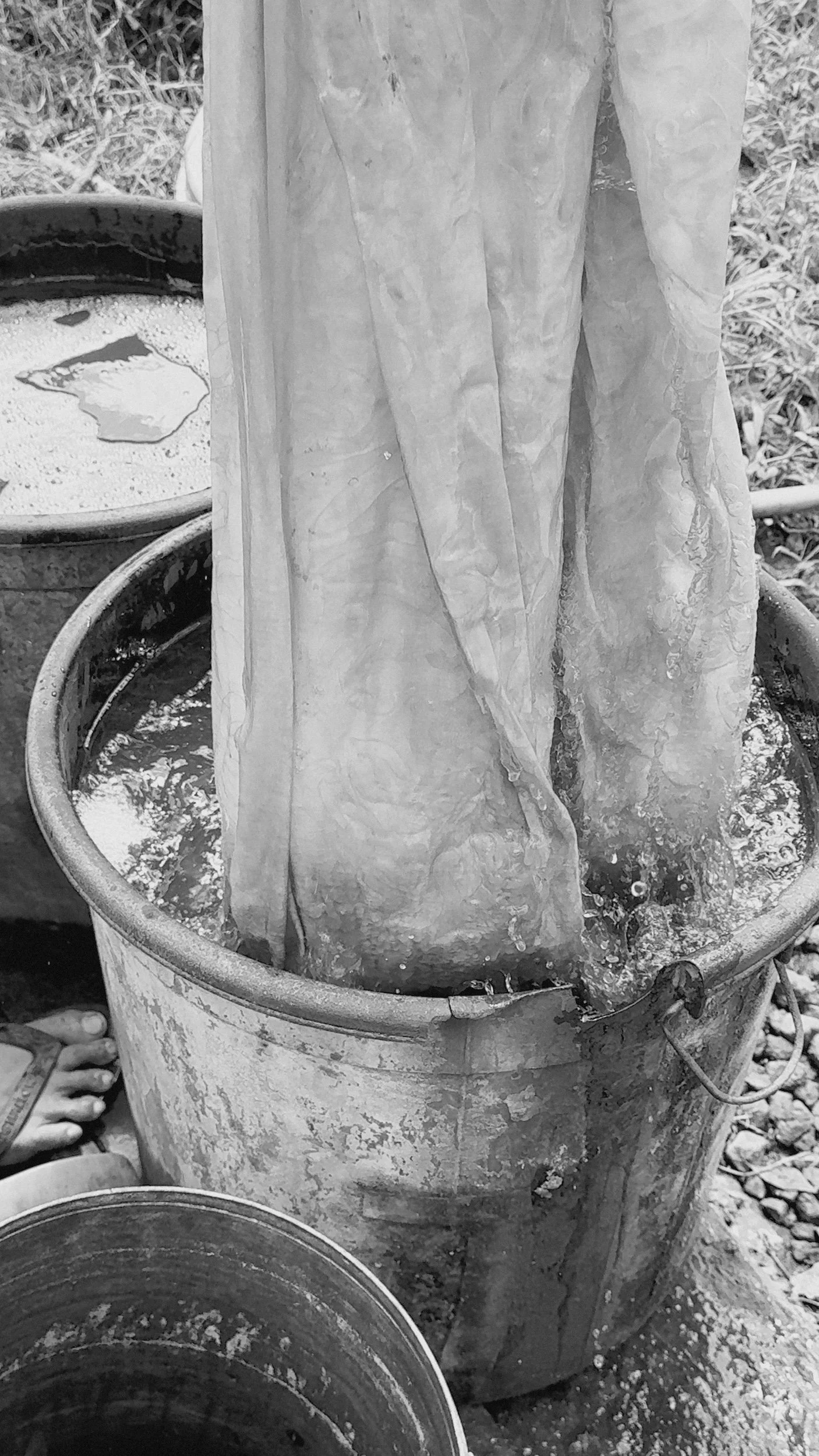
Two Tablespoons of Water
A new digital dye technology claims two tablespoons of water per garment. HYPATIA's dyers have been asking a different question for years.
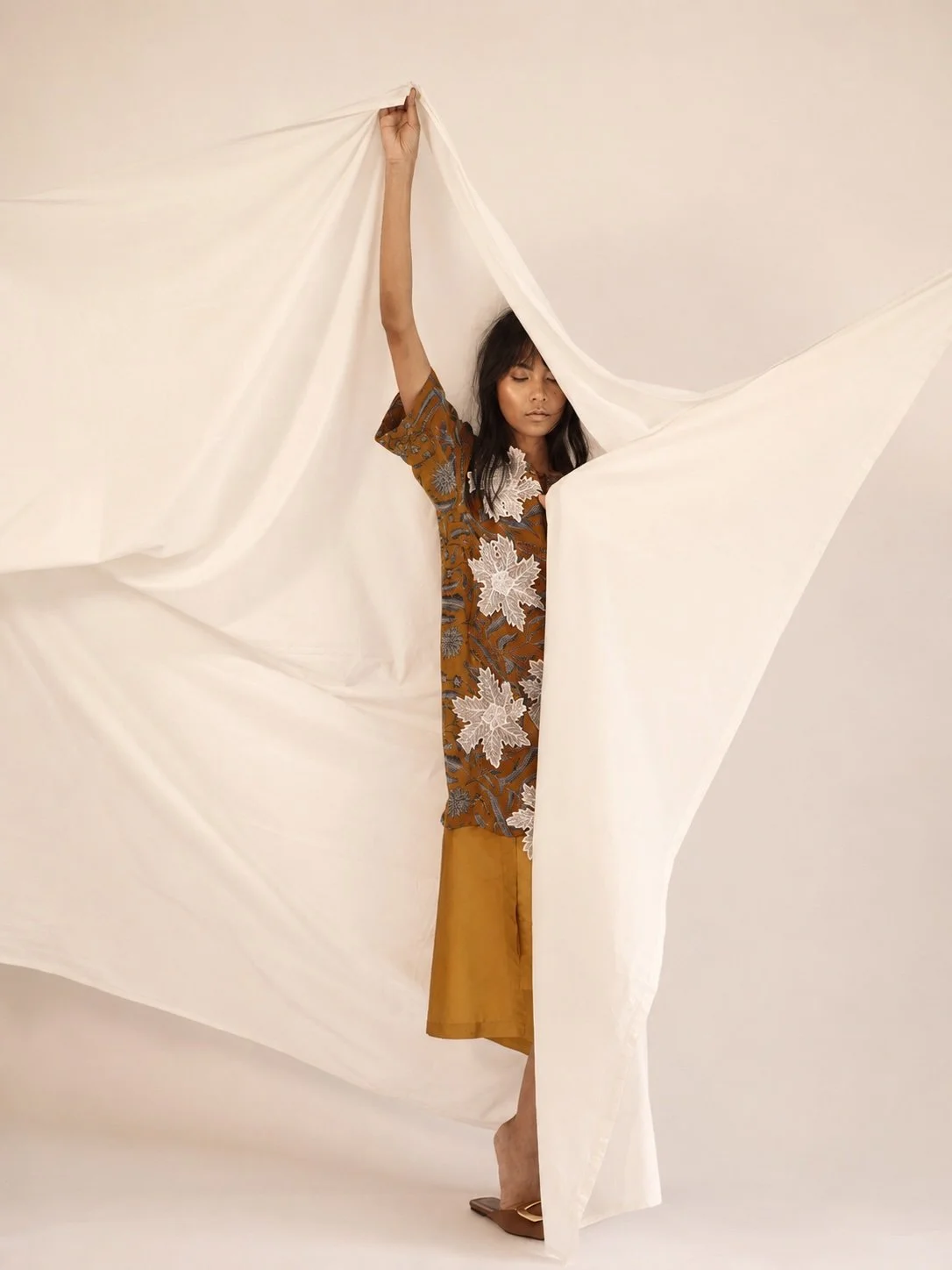
CONTINUITY
Continuity: the value word already inside "Serat" itself - fibre, strand, continuity - carried through HYPATIA's craft, material, and design.
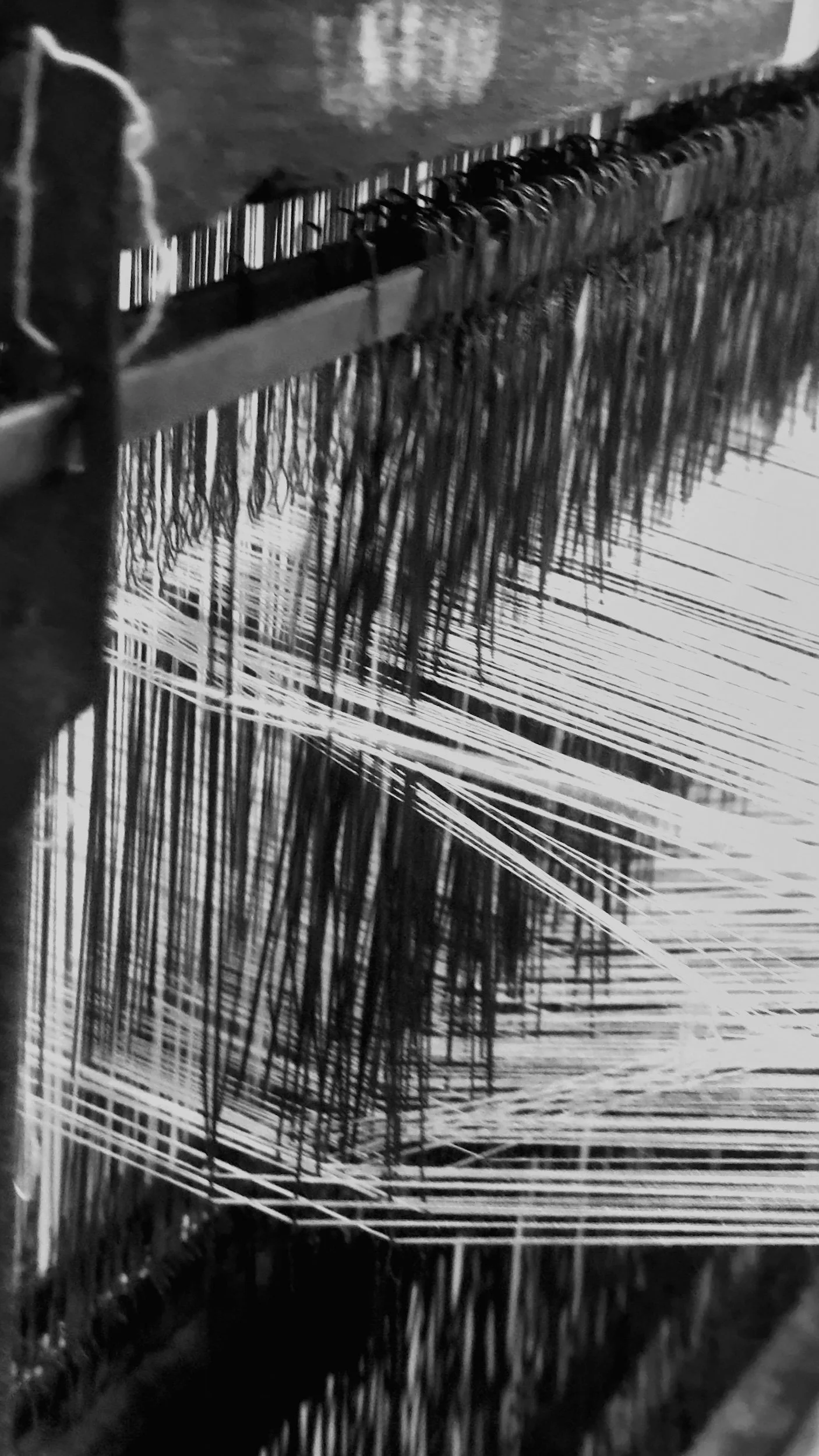
Membership, Not Mass Production: Why HYPATIA Caps Volume
Why HYPATIA sizes production to what village-based hands can make, not to market demand — and what that means for membership over mass retail.
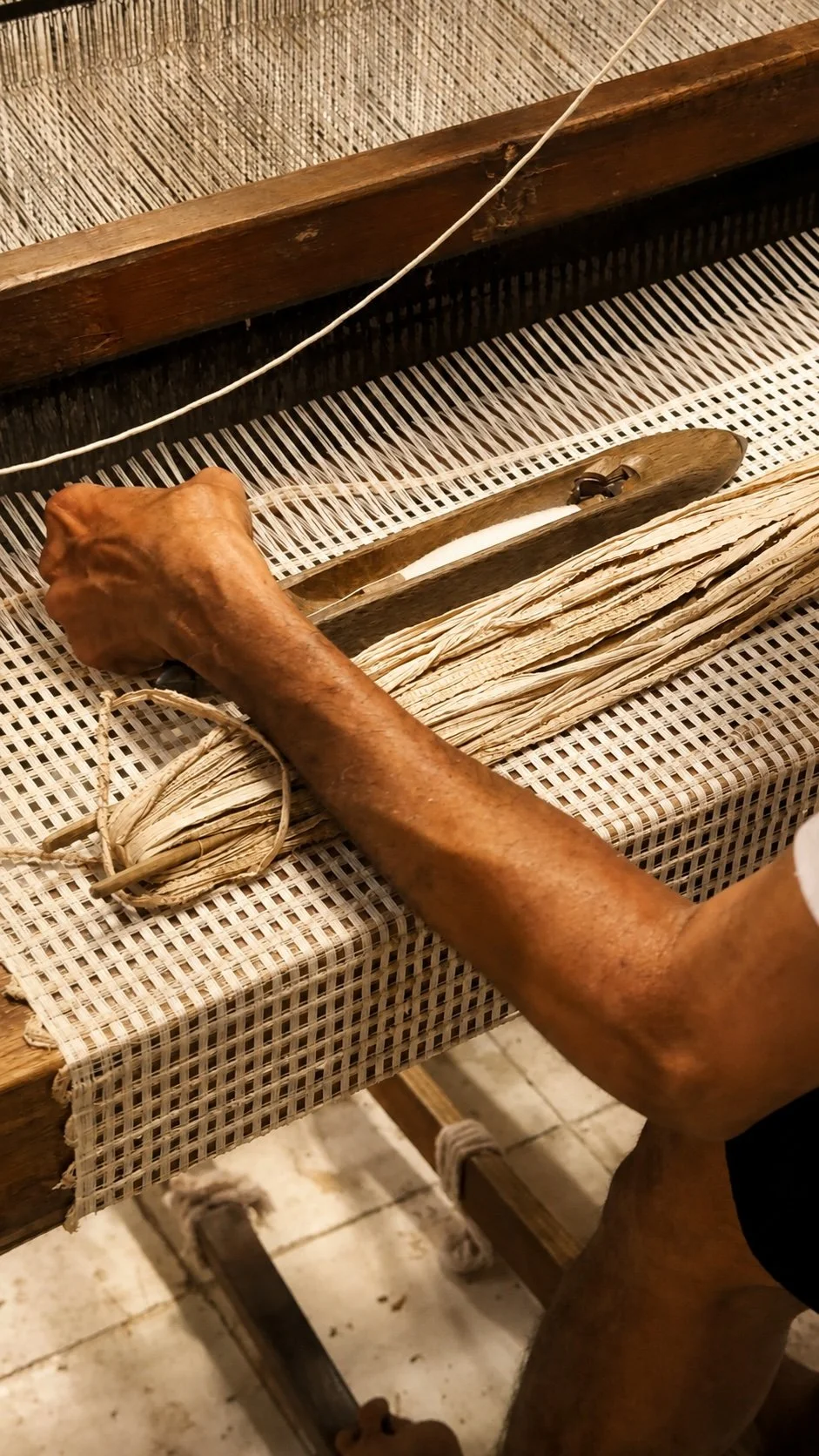
Leaf to Thread: The Work Behind a Single Strand
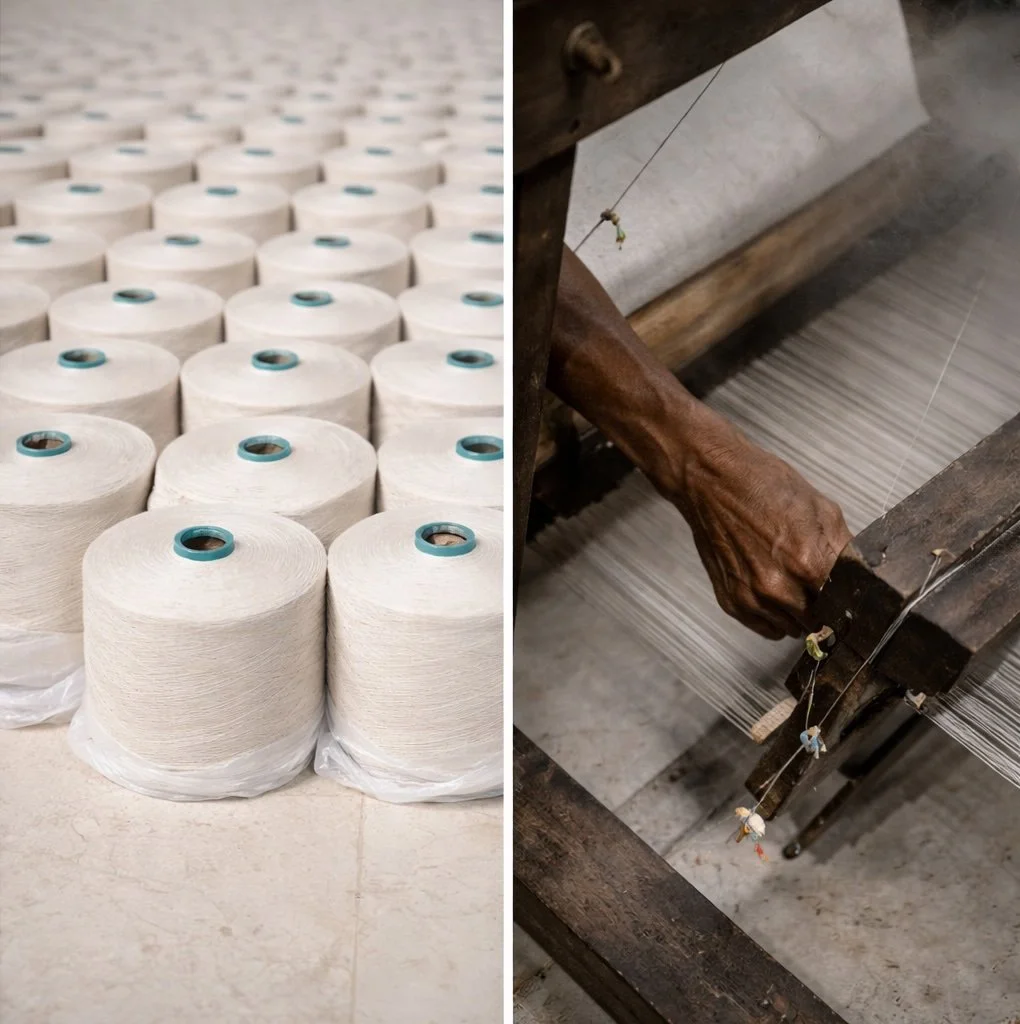
Before HYPATIA Serat is cloth, pineapple leaf fibre passes through four exacting stages to become thread — and why its short fibre length is spun together with cotton to get there.
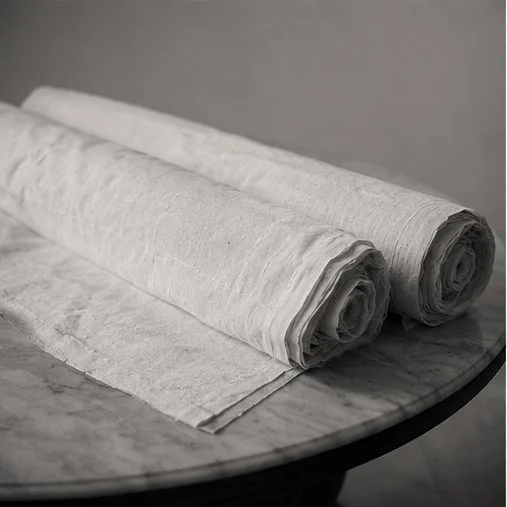
A Material That Already Existed
Why HYPATIA Serat starts from a pineapple harvest that already exists, not a lab invention — and what that means for material purpose and traceability.
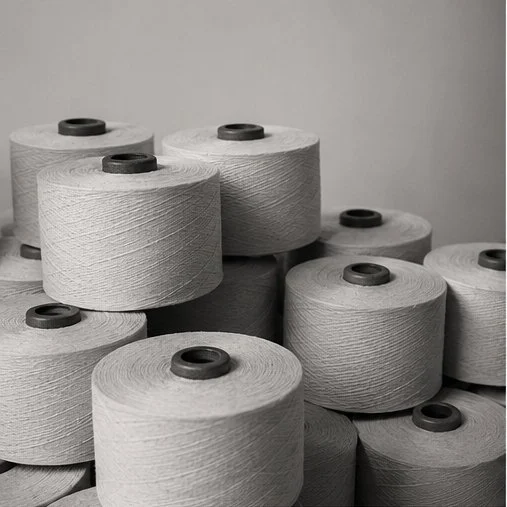
The Hands Before the Thread
How many hands it takes to turn pineapple fibre into thread, and thread into HYPATIA Serat — and why our hand and studio lines are both entirely human-made.
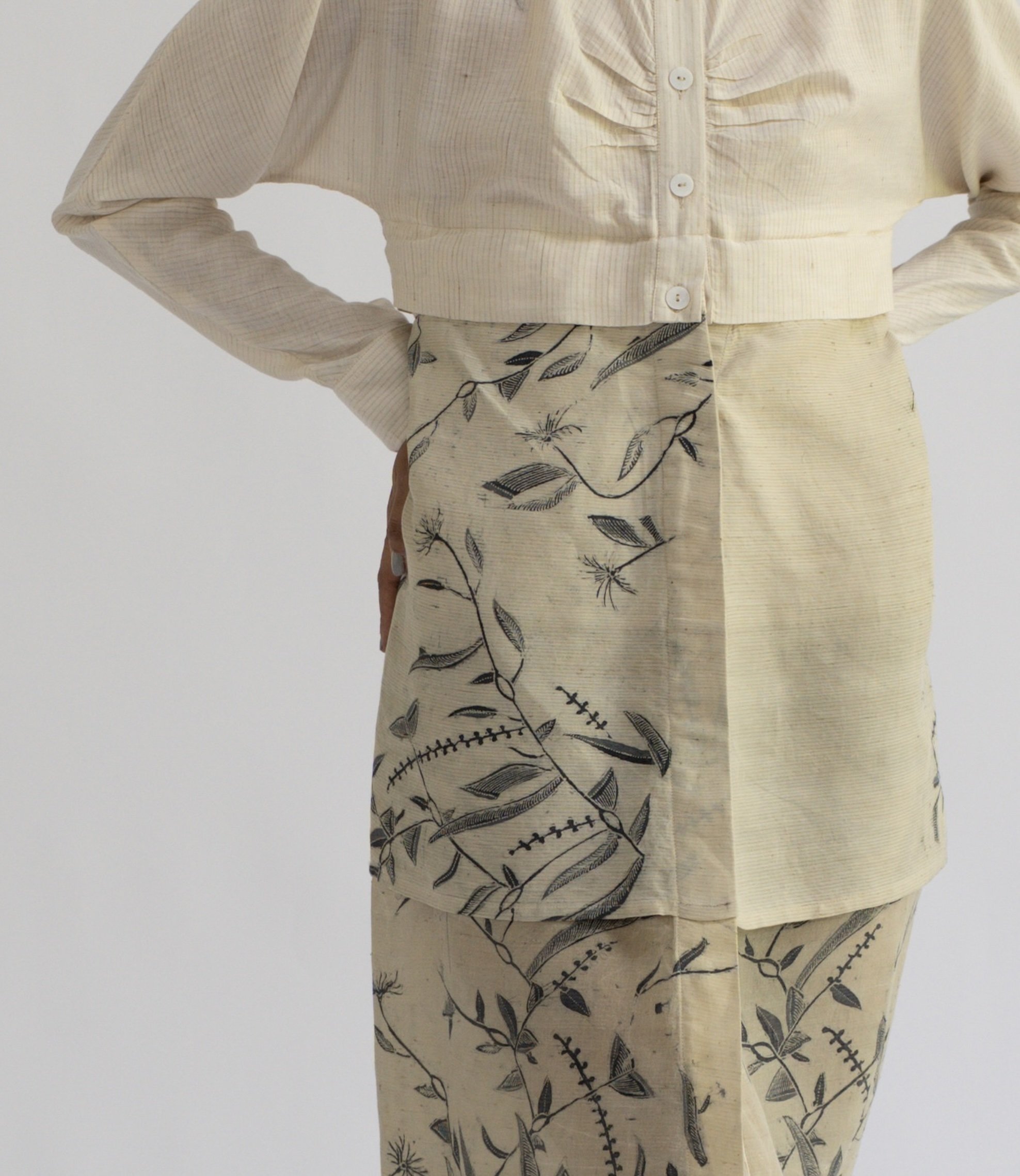
Designing for an Afterlife: Circular Thinking in Practice
How HYPATIA designs for a garment's afterlife from the first decision onward: the button-only system and R&D-only sourcing explained.
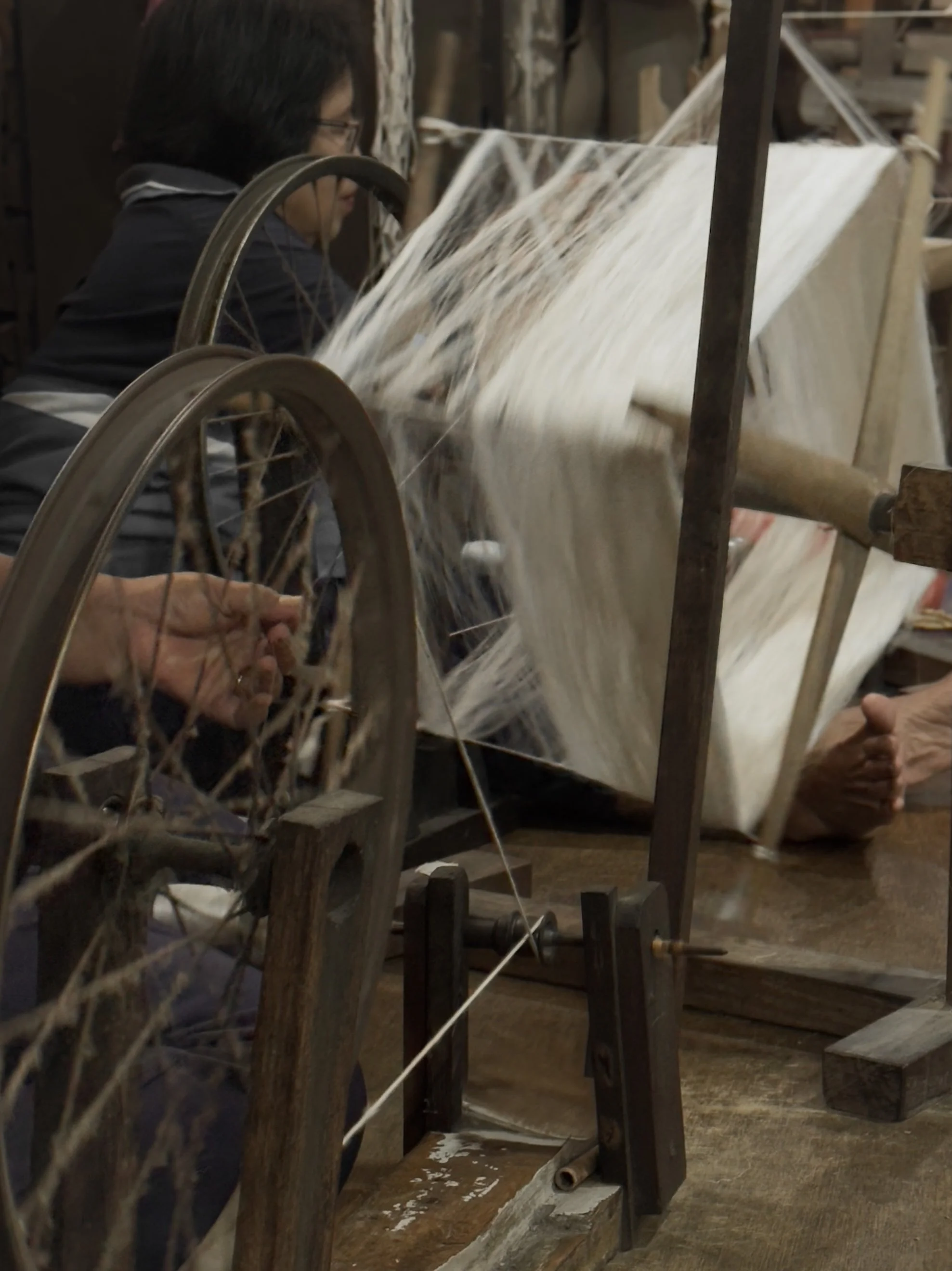
Restu's Process: From Raw Fibre to Weave Structure
Inside Restu Imansari Kusumaningrum's process, from pineapple leaf harvest in Sumatra to hand-woven HYPATIA Serat cloth in Central Java.
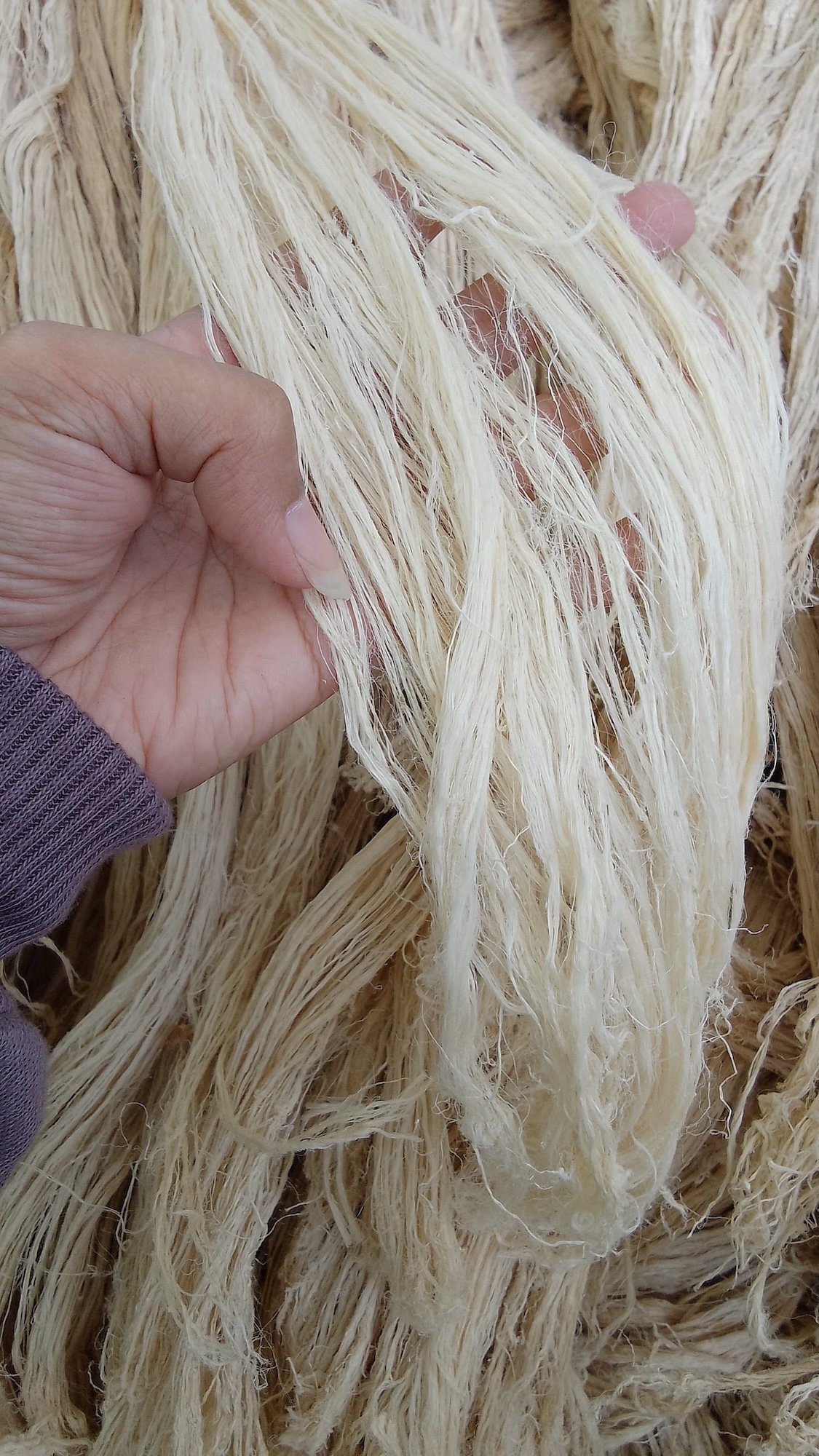
What "Waste-Sourced" Actually Means
HYPATIA Serat is woven from pineapple leaves left over after the fruit harvest - agricultural residue redirected into textile rather than purpose-grown fibre.
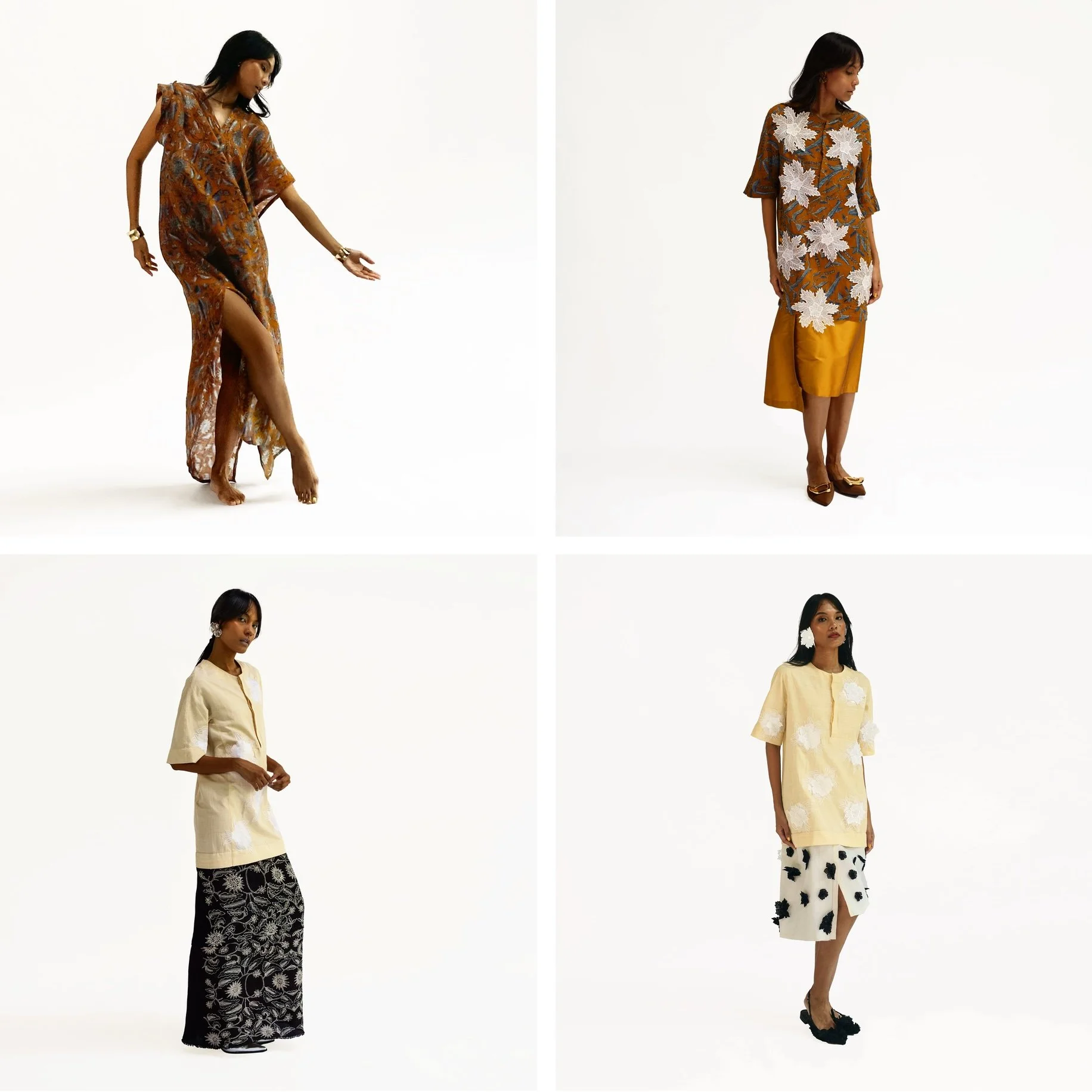
The Original 17: Building a Collection from R&D-Material
HYPATIA's debut collection: seventeen garments cut from R&D-phase Serat cloth, each piece singular, releasing through auction rather than standard retail.
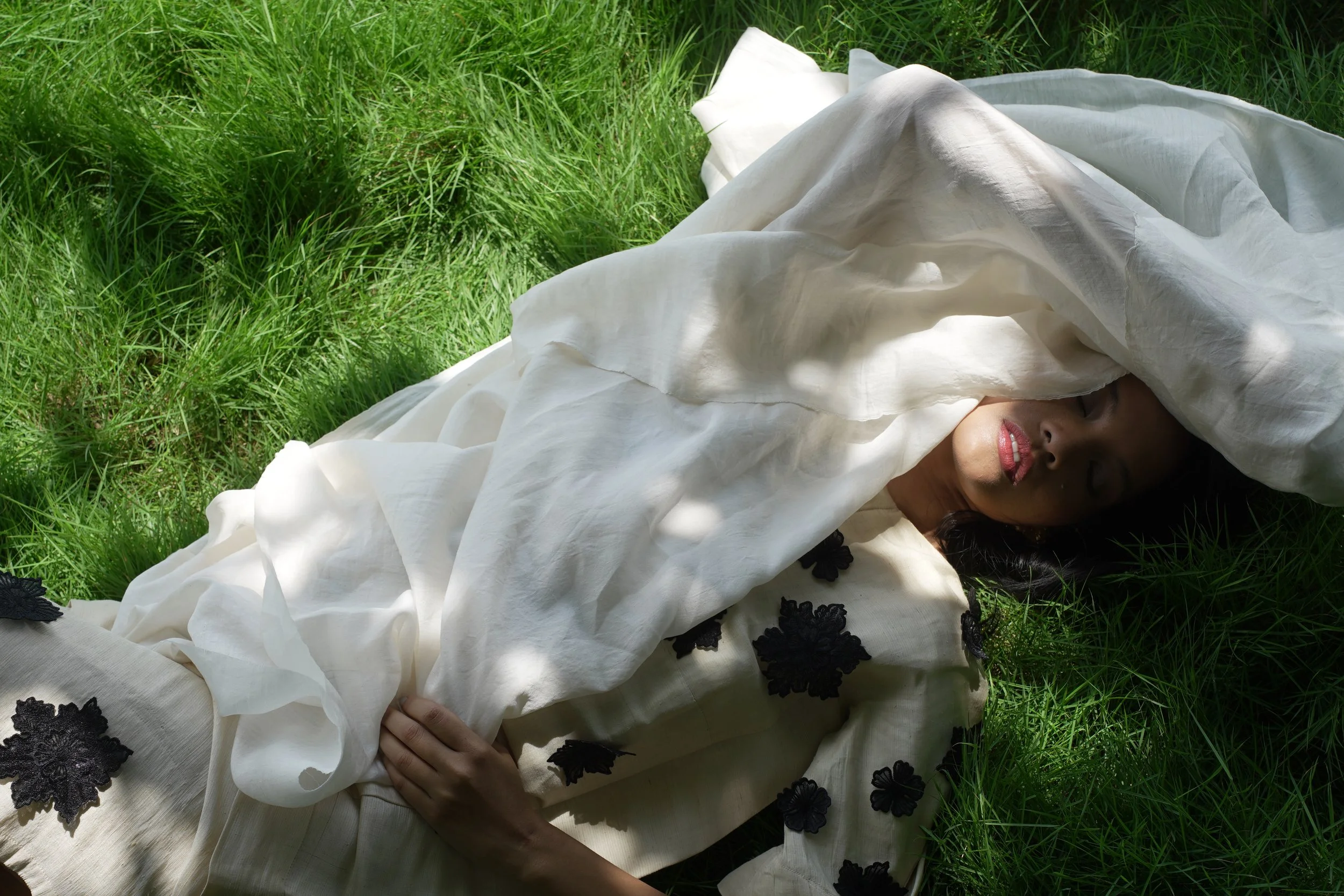
FEATURED: HYPATIA in Susan Rockefeller’s Musings Magazine
HYPATIA is featured in Susan Rockefeller's Musings Magazine, on wearable art made from pineapple-leaf Serat through Batik Tulis and Sulam craft.
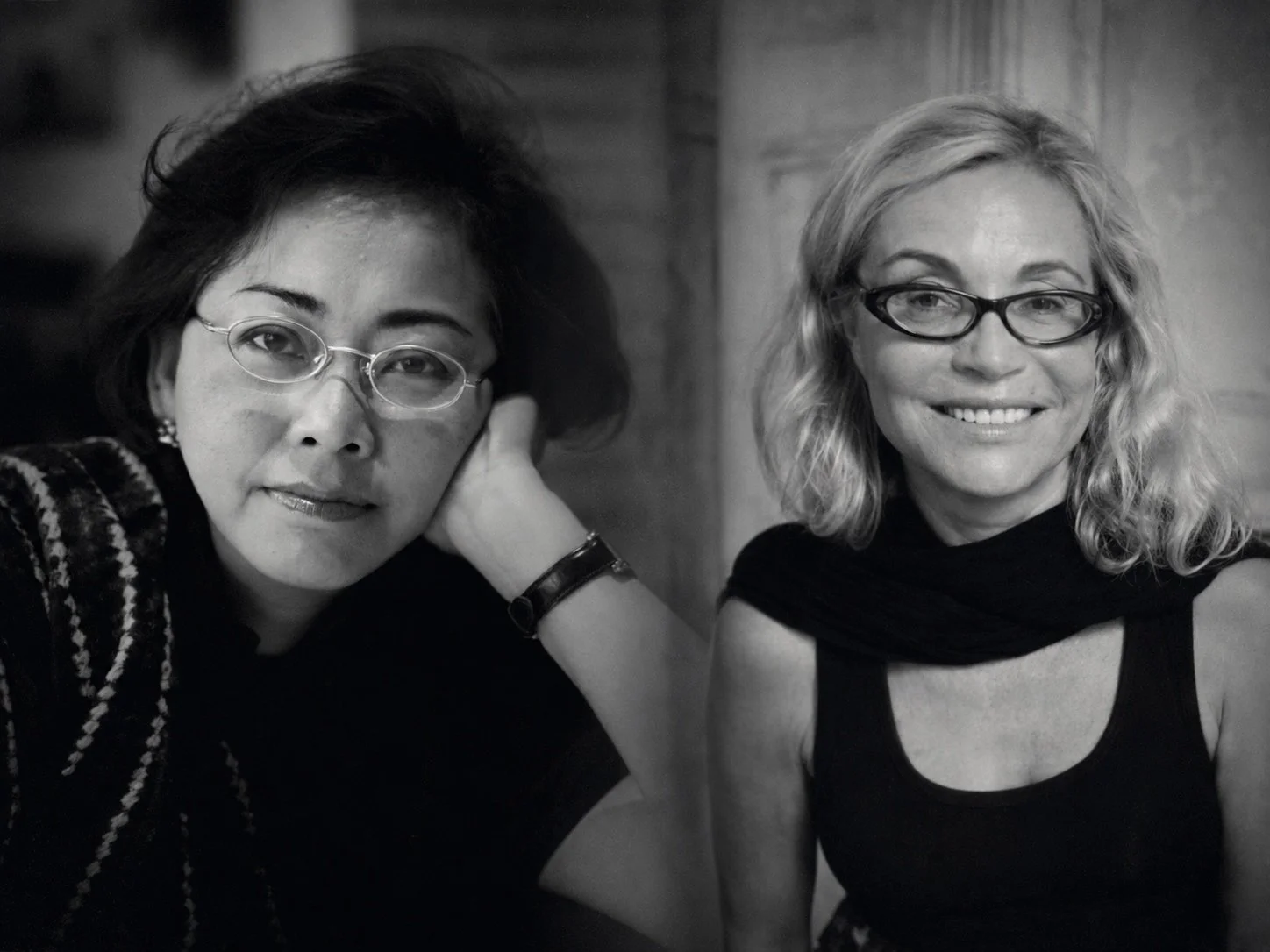
Tea With Bettina and Restu
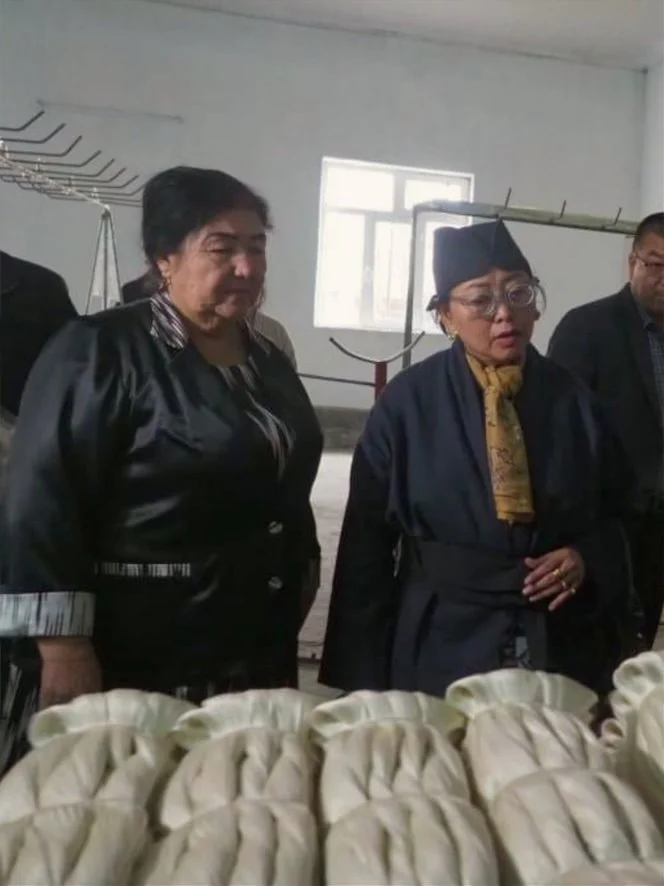
HYPATIA runs on two founders working as one practice: Bettina's design and material vision, Restu's production and village knowledge.
Liberation as Practice
At HYPATIA, liberation grows through artisan access to markets, pricing, and decision-making - capability built to carry forward independently.
Building with Intention
HYPATIA builds with intention, letting time strengthen fibre, deepen dye, and refine stitch - honouring the living traditions behind every piece.
From Fibre to Fabric
How HYPATIA Serat becomes fabric: pineapple leaf fibre extracted, rested, spun, and hand-woven - continuity carried through every stage by artisan hands.