Membership, Not Mass Production: Why HYPATIA Caps Volume
Somewhere between 80 and 150 billion garments enter the world every year, and as much as a third of them are sold to no one — a gap industry reporting keeps returning to this year, most recently through the CFDA's own case for bringing production closer to where a garment will actually be worn. The distance between what fashion makes and what fashion needs has become one of the industry's most examined numbers.
HYPATIA starts from a different question.
Capacity, Not Forecast
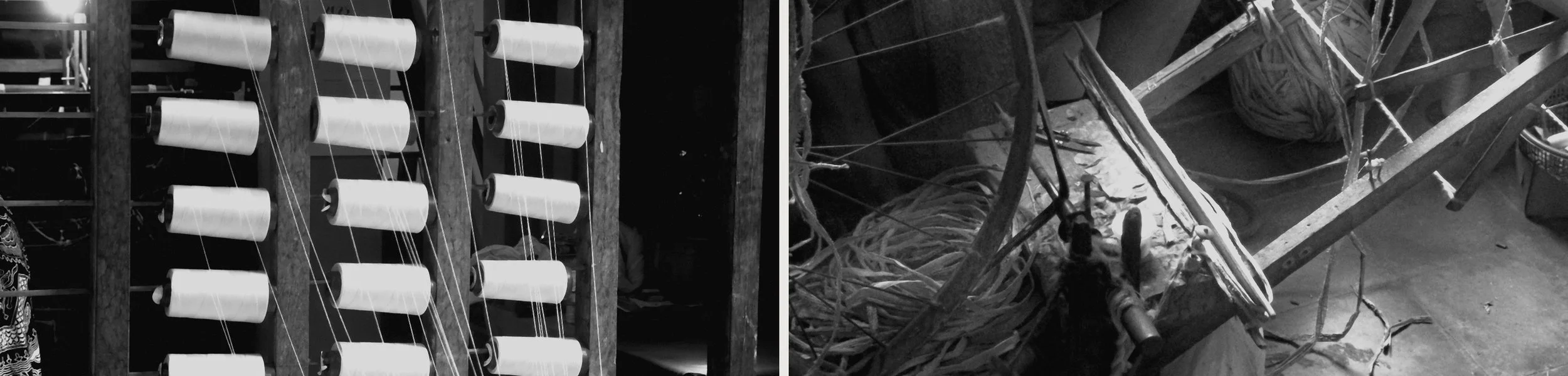
A conventional collection is built to a forecast — a guess, placed months ahead, about how many people will want a given piece. HYPATIA builds to capacity instead: what a specific group of hands, working specific looms, in specific villages, can actually produce in a season. The volume is set by the people making the cloth, before any sales plan gets a say.
What Membership Actually Means
The Original 17 — HYPATIA's debut collection, cut from R&D-phase Serat cloth — exists once, each piece singular, released through auction rather than open retail. The garments that follow carry the same designs forward, made available through membership rather than mass retail: access sized to match what hand and studio looms can produce with integrity, season after season, rather than access sized to match demand without an edge to it.
A Ceiling, Chosen on Purpose
Where a mass-market model treats scale as the measure of success, HYPATIA treats a considered ceiling as the more honest one. Capacity defines the boundary before the market ever gets the chance to. It's a slower arithmetic — hands and looms and village rhythms, rather than a forecast built to be beaten quarter over quarter — and it's the arithmetic HYPATIA is built around.
Why This Is Worth Knowing
In a year when the industry's own numbers point toward how much gets made against how little of it is actually worn, sizing production to what a specific set of hands can complete — rather than to what a spreadsheet projects — reads less like a limitation and more like the point.
Further reading
CFDA, on local production and fashion's overproduction problem: cfda.com/news-and-insights/industry-insights/why-local-production-could-be-fashions-answer-to-overproduction/