What "Waste-Sourced" Actually Means
The word gets used loosely across the industry right now, often as a stamp rather than a description.
At HYPATIA, waste-sourced is not a marketing category. It is a specific claim about where a fibre begins, and it is worth being precise about what that claim does and doesn't include.
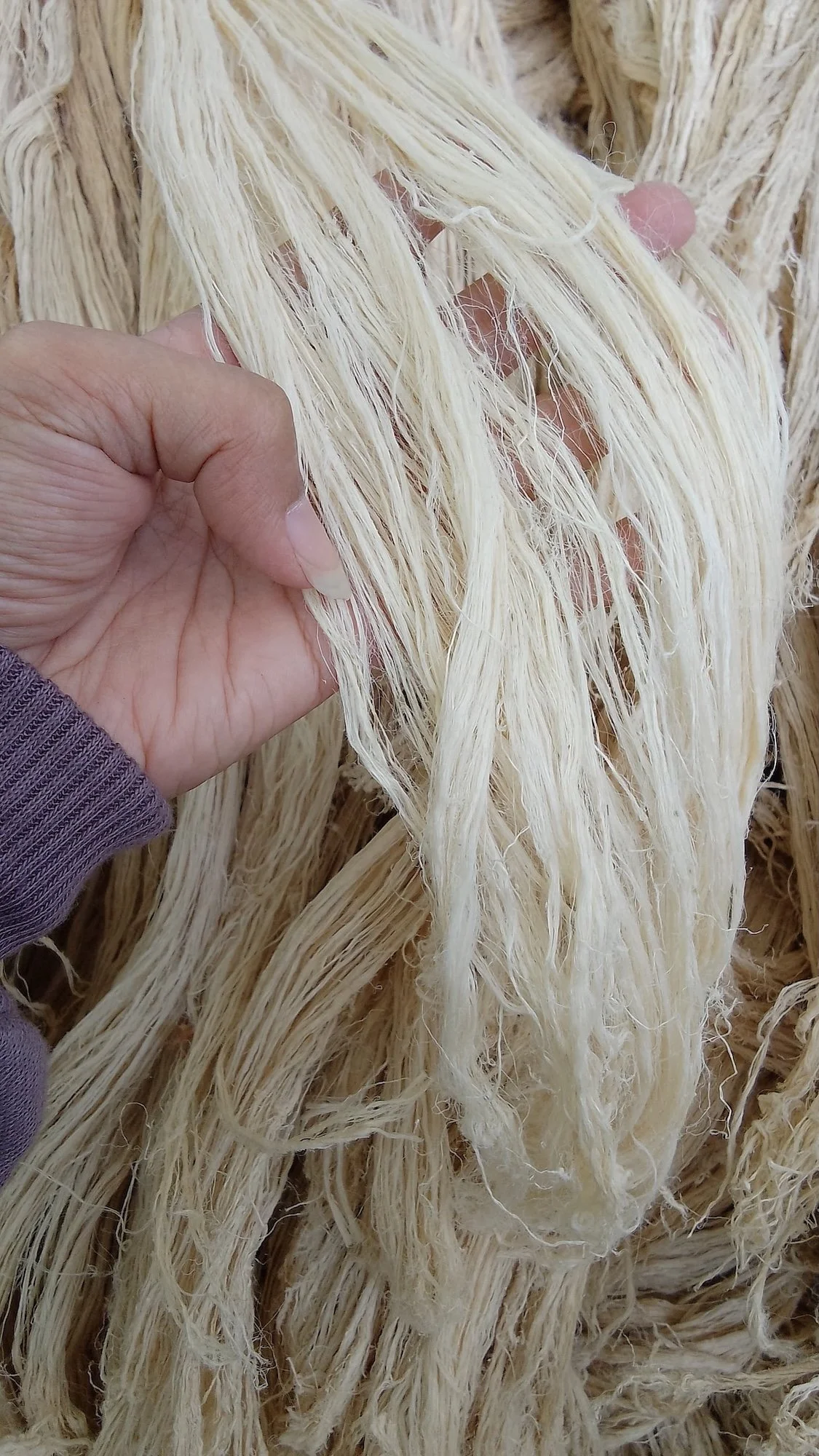
Where HYPATIA Serat Begins
HYPATIA Serat starts as agricultural residue — the by-product left behind once the primary crop has been harvested, material that would otherwise be discarded, burned, or left to break down without further purpose.
Pineapple fibre falls into this category directly. The plant is grown for fruit; the fibre-bearing leaves are a secondary output, present regardless of whether anyone chooses to use them.
Choosing to use them is the entire premise. Nothing is grown specifically to become HYPATIA Serat. The material is drawn from a stream that already exists, redirected toward a second purpose instead of ending at the first one.
Why the Distinction Matters
This is a meaningfully different starting point from fibres grown as dedicated crops, however sustainably farmed. A waste-sourced material doesn't compete for agricultural land, water, or growing seasons the way a purpose-grown fibre does — its footprint is inherited from a harvest that was happening anyway.
Pineapple isn't alone in this category. Research bodies across the industry are actively validating agricultural residues — banana stem, hemp, rice husk among them — as commercially viable textile fibres, treating agri-waste as a legitimate innovation category rather than a fringe experiment. HYPATIA Serat sits inside that same conversation, built on years of direct fibre work rather than a single sourcing decision.
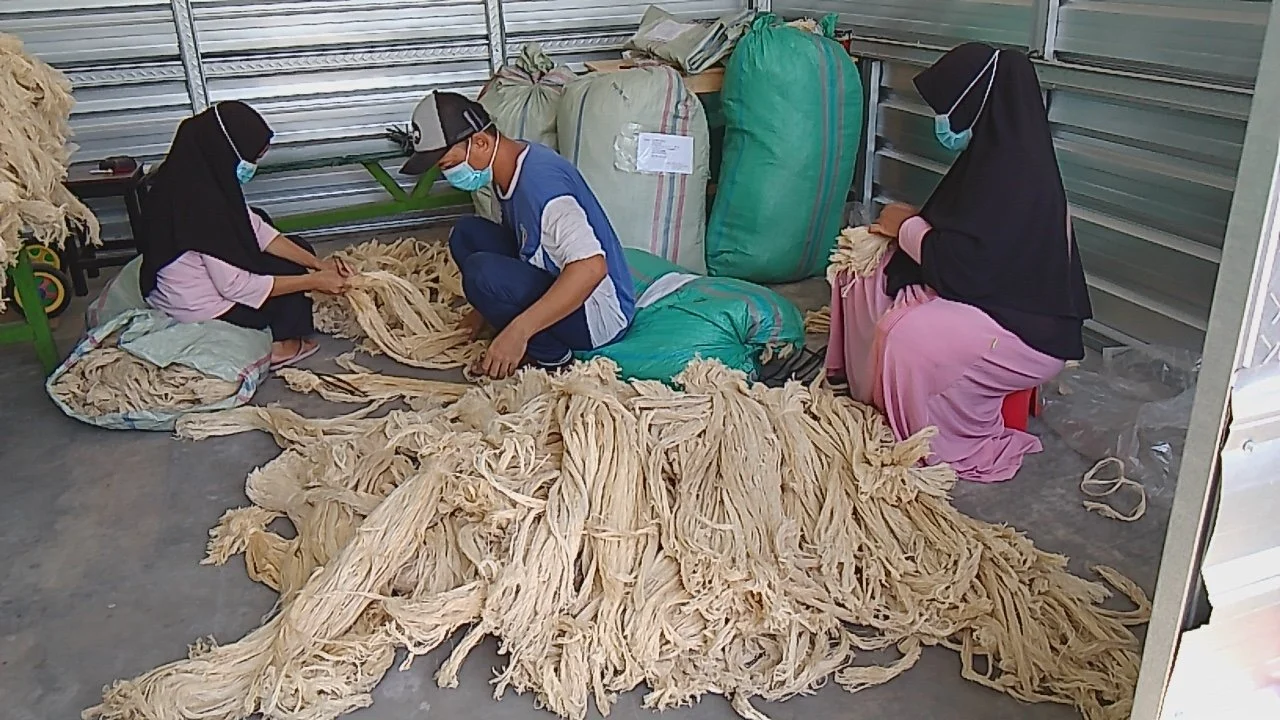

The Regulation Catching Up
As of this July, large companies operating under the EU's Ecodesign for Sustainable Products Regulation face a new requirement: unsold apparel, accessories, and footwear can no longer simply be destroyed. It's a shift toward treating material afterlife as a mandatory consideration rather than a voluntary one. HYPATIA's construction systems, colour processes, and material sourcing were built around that same question from the beginning — not because a regulation required it, but because the question of what a garment leaves behind was asked before the first prototype existed.
What This Word Should Mean
Waste-sourced, used honestly, is a claim with a specific shape: material that already existed, redirected rather than newly extracted, developed over years to perform reliably rather than rushed to market on the strength of the word alone. That is the standard HYPATIA Serat is held to internally, and the standard worth expecting from anyone else using the term.