The Original 17: Building a Collection from R&D-Material
Every material company faces the same quiet question once its research phase ends: what happens to everything made along the way.
Test lengths, prototypes, the metres of cloth produced while a weave structure was still being refined — most of it, industry-wide, ends up as waste, absorbed as the acceptable cost of getting a material right.
The Original 17 exists because HYPATIA refused that premise.
Where the Collection Comes From
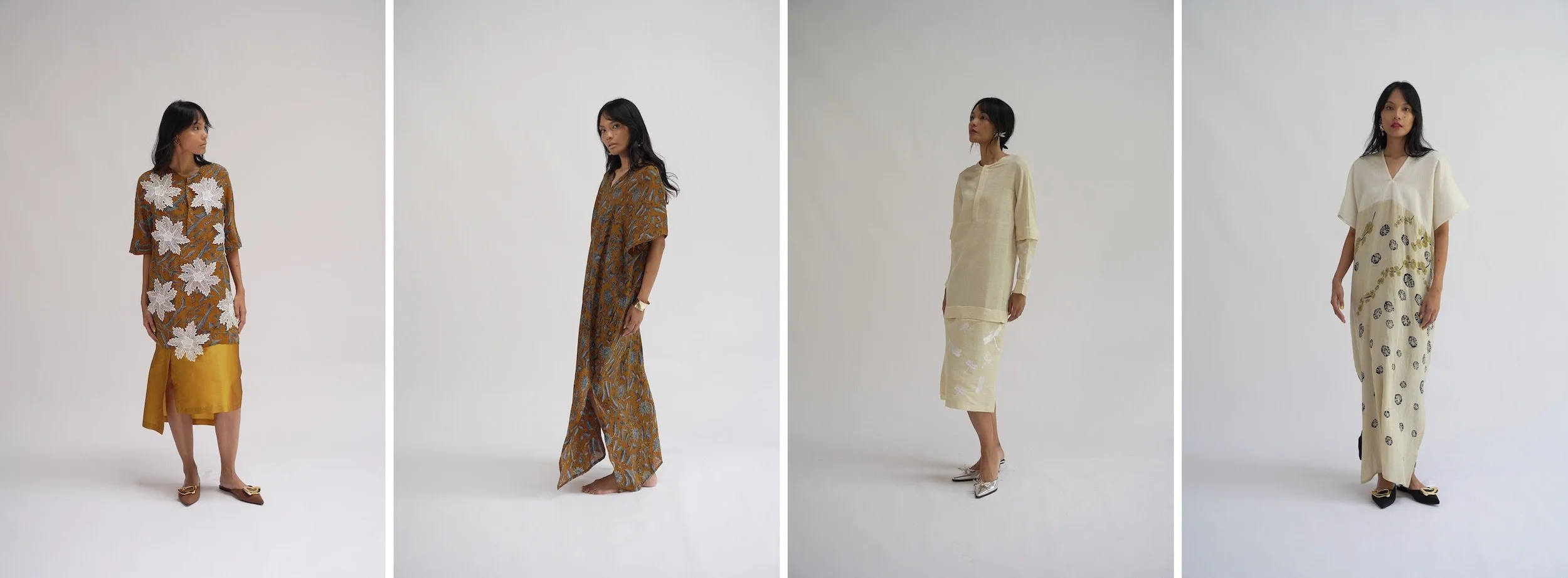
Every piece in the Original 17 is made from material produced during HYPATIA Serat's multi-year research and development period — the years spent testing fibre ratios, weave structures, and dye processes before the material was ready for anything resembling commercial use. None of it was manufactured for this collection specifically. It already existed, produced in the course of getting the material right, and rather than treating that R&D cloth as a byproduct to be discarded, HYPATIA built seventeen finished garments from it.
This means the collection carries a kind of honesty most debut collections can't claim: nothing was made to be sold. Everything was already made, in service of a different goal, and only afterward became wearable.
No Material, No R&D, Goes to Waste
This is the sentence HYPATIA holds itself to, and the Original 17 is where it gets tested. A material company generates test material by definition — there is no version of multi-year fibre development that doesn't produce lengths of cloth that were never destined for a customer. The question is only ever what happens to that cloth afterward.
For HYPATIA, the answer was never storage, and never disposal. It was: finish it. Cut it, construct it, embroider it where the design called for it, and let the R&D material complete its own life cycle as a garment, rather than ending as an unused remainder of the research that produced it.
Auction, Not Inventory
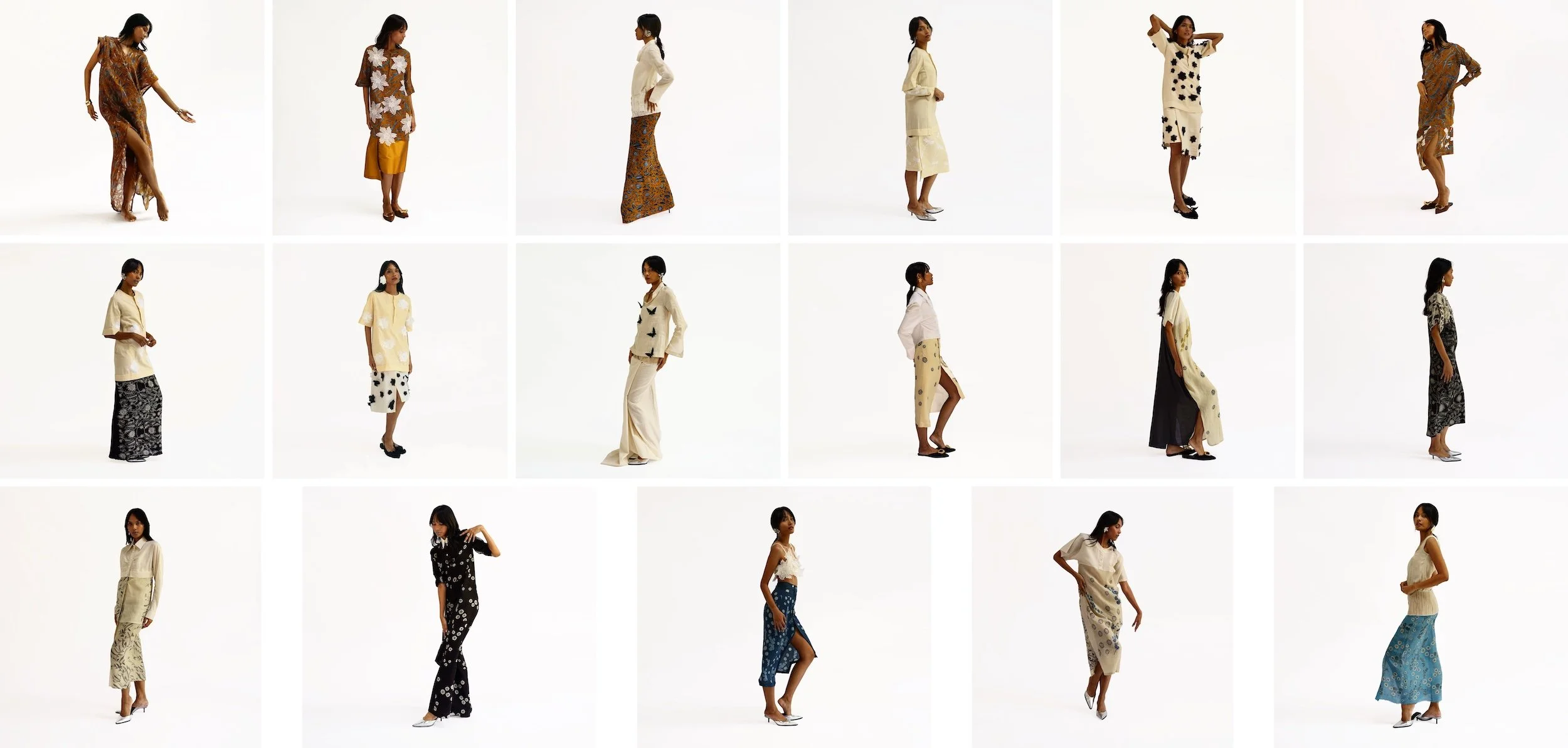
The Original 17 will be released through auction rather than standard retail — a deliberate choice, and a practical one. These seventeen pieces are genuinely singular: made from material that will not be produced again in the same form, since ongoing production uses the material as it now exists post-R&D, not the test-phase cloth these garments are cut from.
The membership-based garment model that follows will use the same design language established in this collection — but built from HYPATIA's ongoing production material, not this one-time reserve of research cloth. The Original 17 stands alone for that reason. It is the only place this particular material will ever exist as finished garments.
What the Collection Actually Proves
Circularity is easy to claim and hard to practice at the level of a company's own working process, not just its finished product. The Original 17 is HYPATIA's answer to the harder version of that question — proof that a multi-year research process can end with every metre of material accounted for, finished, and worn, rather than quietly written off as the cost of getting something right.